Skip to work
01 / 05index
Brandon Welnerportfolio — 2026

Brandon Welner

Front-end engineer and creative coder building interfaces and tools that feel alive.

scroll to develop

Selected work

02 — three studies
01

MythReal

art direction · creative systems · generative pipeline

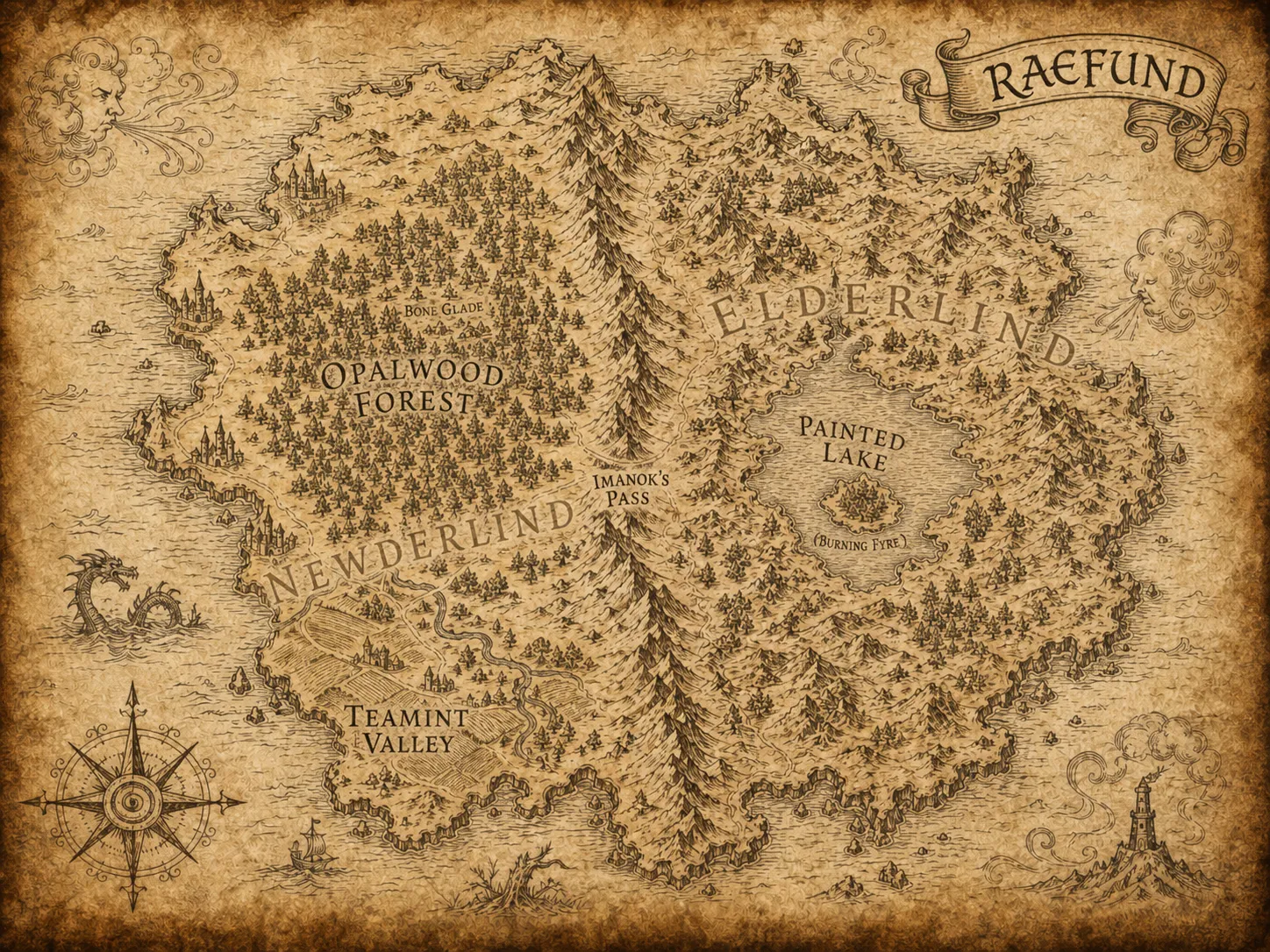
A hand-finished parchment location map of Raefund, with labelled regions and recurring glyphs.
location map — Raefund
Problem
Most RPGs hand you a class and put you on its rails. MythReal does the opposite — a character is defined entirely by which of 20 tech trees they invest in. Removing classes removes the scaffolding that keeps a system legible, so the real work is replacing that scaffolding with cleaner math and a tighter economy. I've been designing it for about four years.
My role
Sole designer, developer, and art director. The ruleset, worldbuilding, visual identity, and digital tooling are all mine — and they have to agree with each other.
Craft
Twenty curated tech trees instead of classes, modifier-only attributes, and a fixed action-point economy — 5 AP a turn, a 2 AP bank cap, and a spike mechanic where banking AP unlocks decisive abilities. Every tuning choice traces to one unit: 1 AP ≈ a second of focused effort ≈ a d6 of effect. A two-register visual language carries the world: hand-drawn parchment for maps, diagrams, and seals; cinematic painting for scenes and characters. Maps are generated as a base, then finished by hand in Affinity. A repeatable prompt pipeline drives both the art and the tooling — including a Claude Code–built auto-battler that generates characters from the real rules and runs automated combat in a battle log.
Outcome
A locked v0.5 spec, iterated through public alpha across several versioned releases; a coherent identity that scales to future modules; and working tooling that runs on the genuine ruleset.

the design output

The MythReal wordmark: a rising-sun sigil above gold serif lettering.
Primary wordmark

Primary wordmark

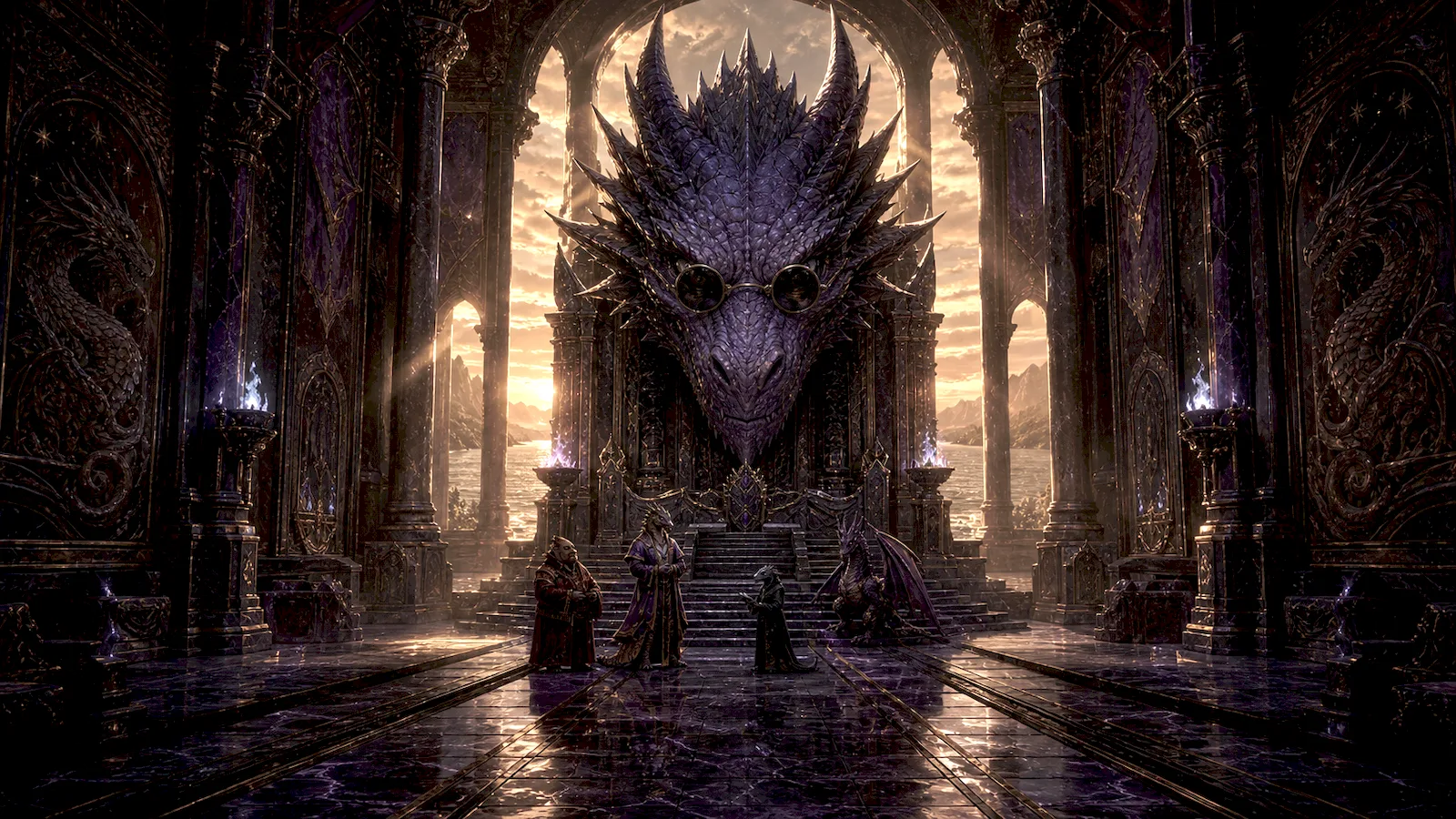
Burny's chamber — a dragon sovereign presides over a sunset hall as advisors gather below.
Key art — Burny's chamber

Key art — Burny's chamber

Blob Marley — a translucent amber slime herald with braided locks holding a microphone-staff.
Character study — Blob Marley

Character study — Blob Marley

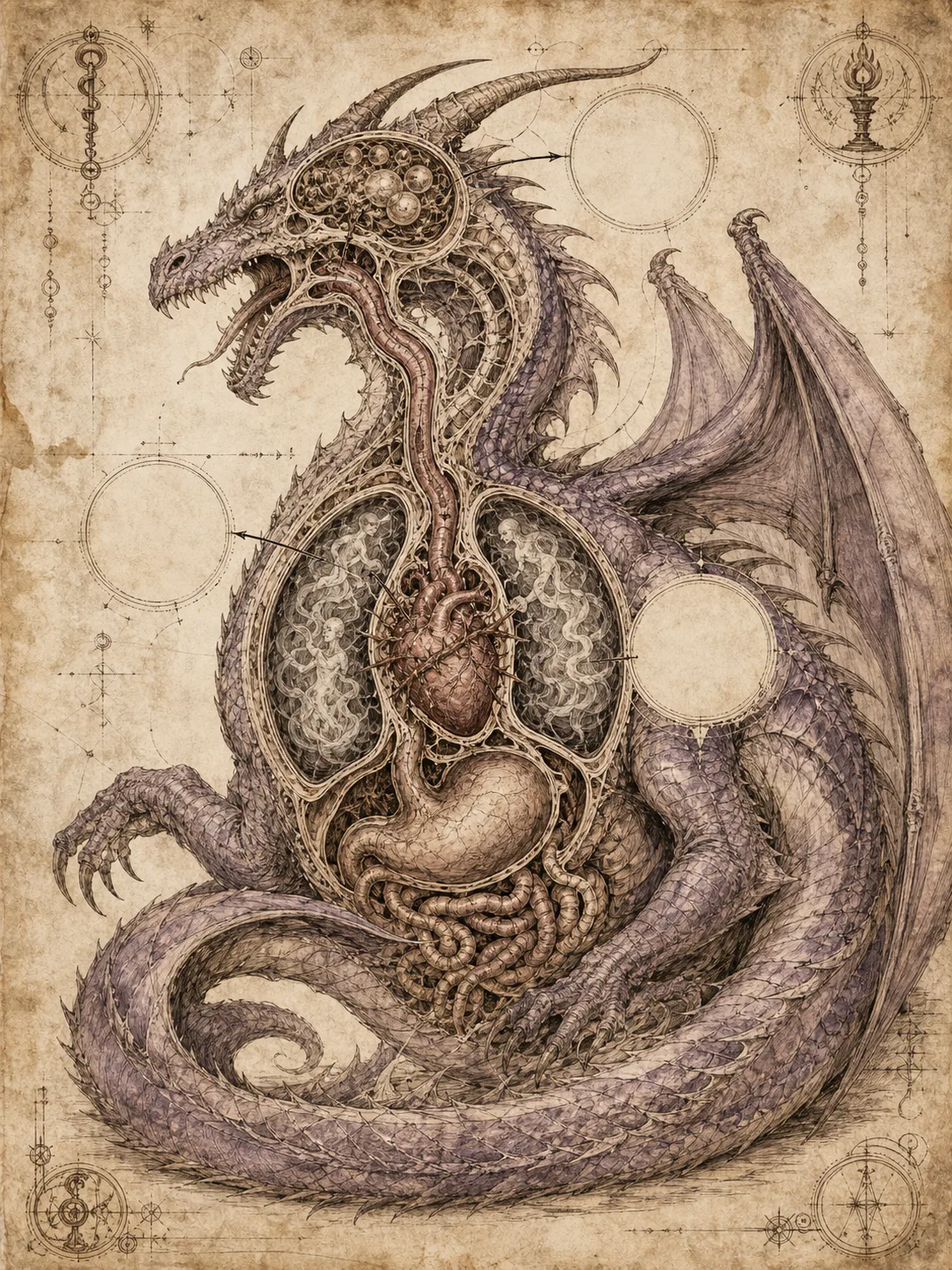
An anatomical study of a dragon in aged-parchment ink — organs and circulatory detail drawn like a Renaissance plate.
Field study — dragon anatomy

Field study — dragon anatomy

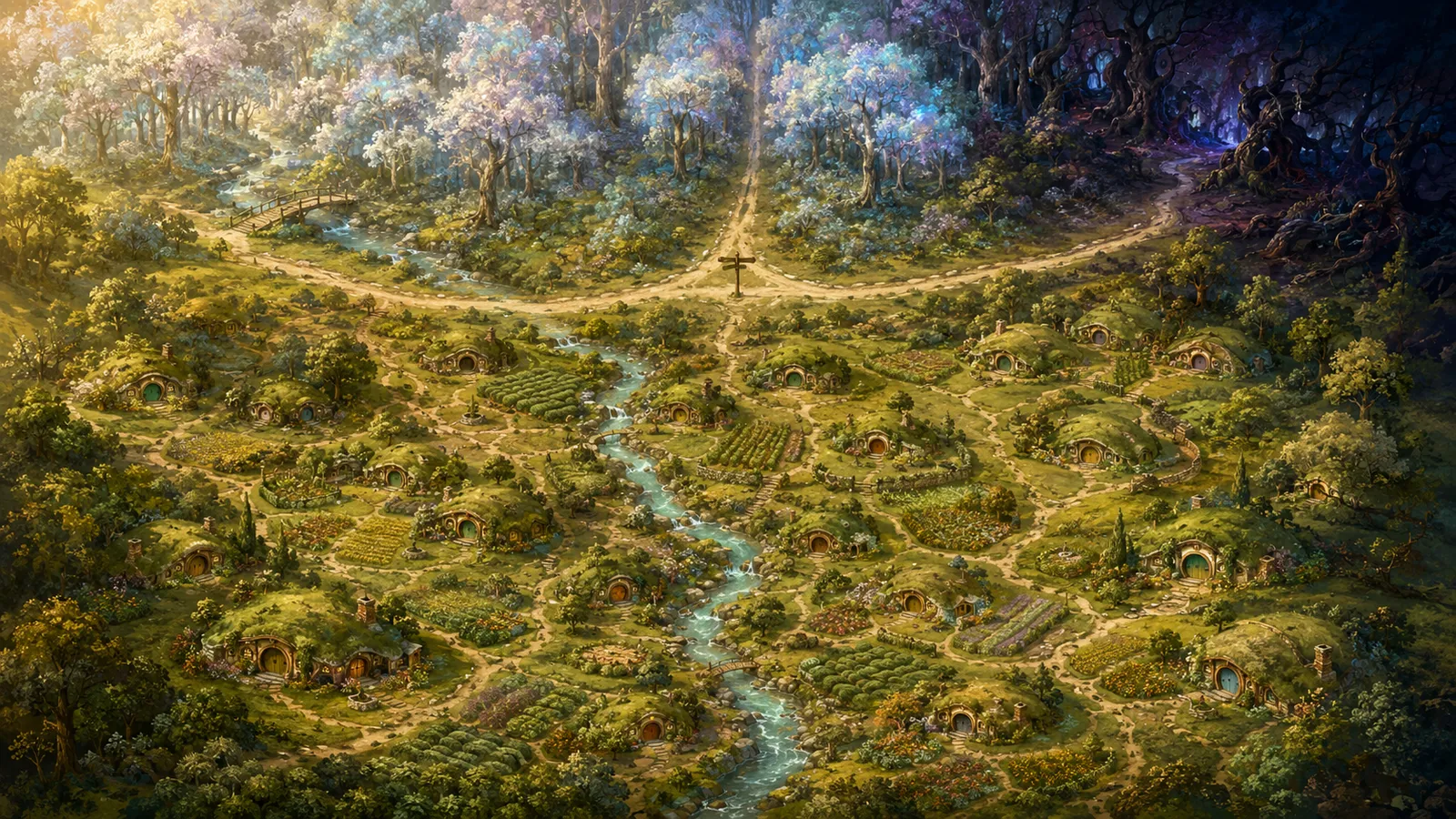
A hand-finished parchment location map of Teaminton.
Location map — Teaminton

Location map — Teaminton

02

Agentic SDLC pipeline

engineering · ai tooling · architecture

skillsmcp serversRPESpikeEpicTicketDev workPR reviewAddress PR commentsClaude CodeorchestratorConfluenceJiraBitbucketContext mgmtstages I owned
architecture — agent + mcp pipeline
Problem
An end-to-end tool for the software development lifecycle — carrying a piece of work from its initial requirements writeup all the way through to individual pull-request creation and review, on top of the team's existing systems.
My role
Two-person build. I owned the requirements-writeup (RPE), spike, epic, and ticket-creation skills — the front half of the pipeline that turns an intent into structured, ready-to-build work.
Craft
An agentic system built on Claude Code and MCP. Discrete skills handle each stage — RPE, spike, epic, and ticket creation, then dev work, PR review, and addressing PR comments — backed by MCP servers for Confluence, Jira, Bitbucket, and context management. The pattern is the point: small, composable agents that each own one SDLC step and hand off cleanly.
Outcome
Shipped as a unified SDLC now used across the engineering domain at Choice Hotels.
03

Groundedness eval harness

research integrity · evaluation · honest negative

I built an eval harness to falsify a signal I believed in — and it did.

signal score (ν) per confident-but-false claimflagged 0 / 7
  • JWST sits at the L1 Lagrange point
  • Light travels ~300,000 miles per second
  • The Sahara is Earth's largest desert
  • Lake Superior is the largest freshwater lake by volume
  • Vesuvius destroyed Pompeii in 79 BC
  • The Last Supper is a fresco
  • Newton was Royal Society president from 1703
ν 00.50 — flag below1.0
ν's gain over the honest baseline (ΔAUC) vs the preregistered bar
  • run 1+0.00
  • run 2+0.02
  • run 3+0.01

dashed line = preregistered +0.03 bar · the signal never clears it

results — confidence vs signal
Problem
I hypothesized a cheap epistemic signal that could flag a model's ungrounded claims and gate verification inside an agent loop.
My role
I designed and built the eval to hold my own idea to an empirical standard.
Craft
A harness with independent measurement pathways and a preregistered effect-size bar — built so the hypothesis could fail cleanly. When the first run looked like a win, I traced it to a directionless baseline and replaced it with the model's own signed verdict.
Outcome
Against the honest baseline the signal added nothing, and on the decisive cases — confident, consistent, and wrong — it flagged none of seven. The mechanism explained why: it measured whether an entity exists, not whether a claim is true. A clean negative, reported as one.

Playground

03 — live

Develop

A procedural image, resolving from grain. Drag to develop it — or push it back into noise.

denoise toy — drag to develop

interactive shader needs webgl — showing a still frame

About

04

I build things people use, and I build worlds nobody asked for. By day that's consumer web at scale — search, experimentation, the unglamorous reliability work behind interfaces a lot of people actually touch. After hours it's MythReal: a tabletop RPG I designed, branded, and shipped solo, down to the logo. The thread between them is generative AI, which I treat as a material, not a buzzword. I build with it constantly — agent pipelines, eval harnesses, local models running on the GPU next to me — because the most interesting interfaces right now are the ones that help people make things they couldn't make alone.

Brandon Welner2026